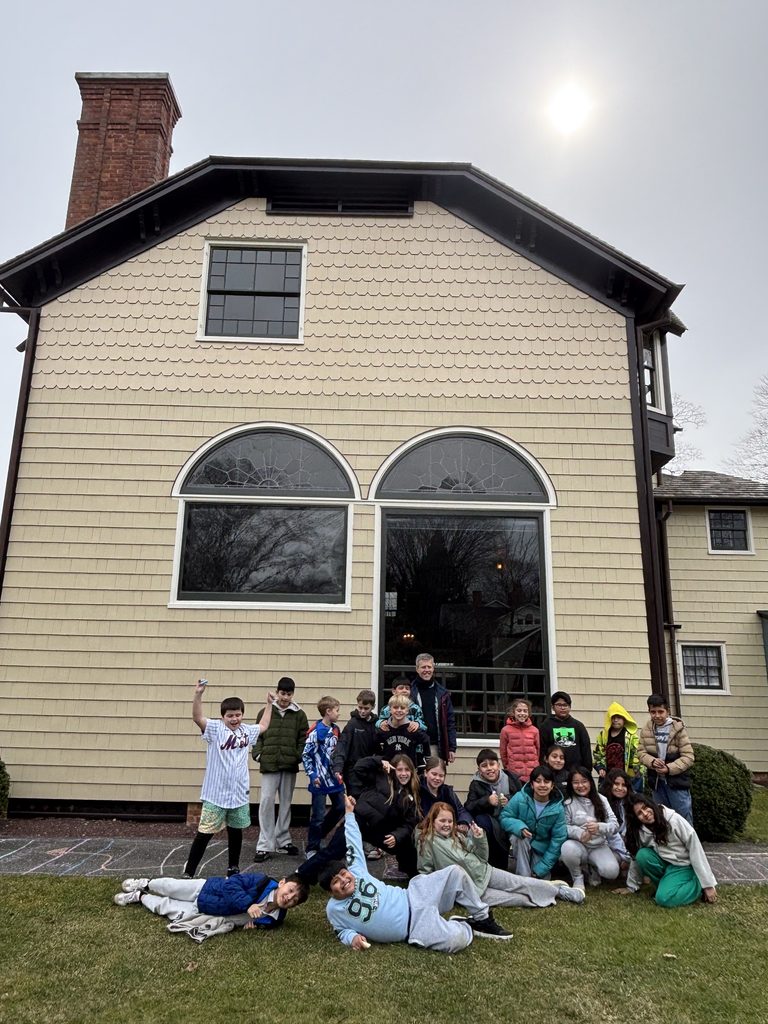
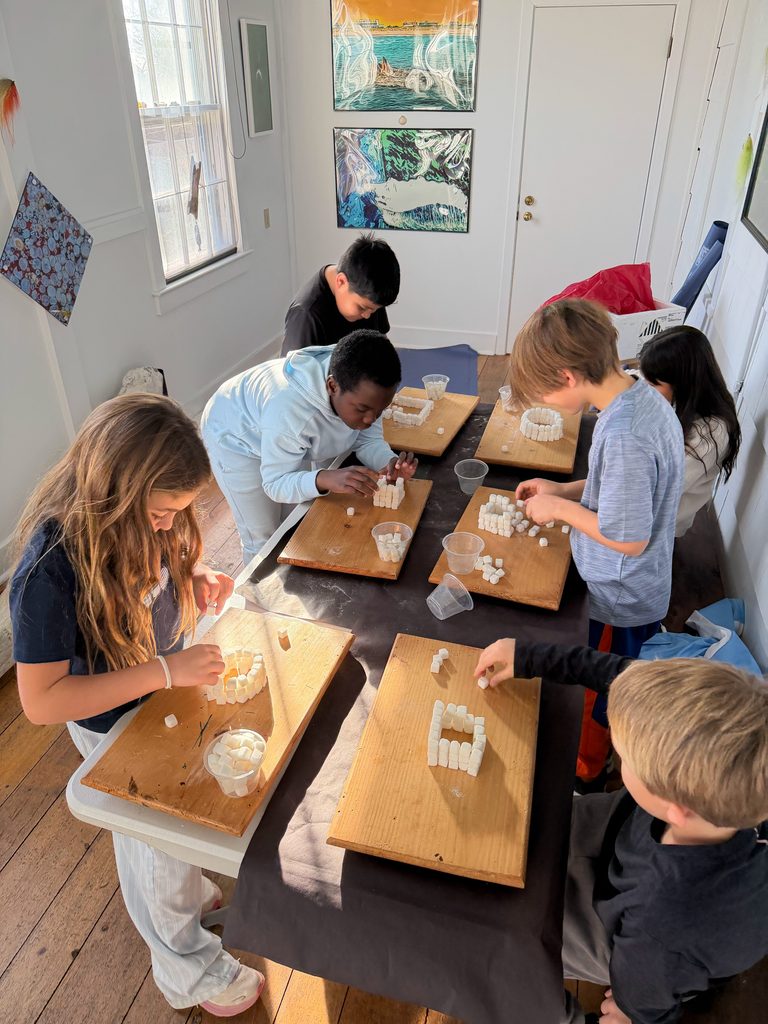
The East Hampton Historical Society continues its community outreach through education programs with local schools. Educators from the Historical Society work with school teachers and administrators to tailor interactive experiences to the classroom curriculum. This series of programs features trips to multiple historic properties in East Hampton, including the Thomas and Mary Nimmo Moran Home & Studio, Clinton Academy, and The Mulford Farmstead. The dedicated school programs use these locations to combine local history with classroom topics including the American Revolution, art history, and the use of natural resources.
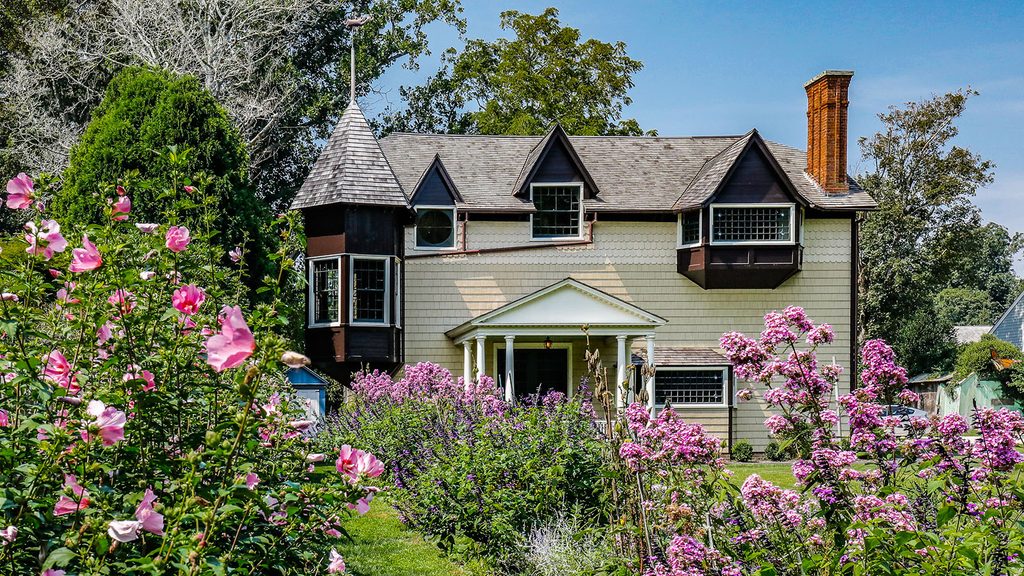
At The Thomas and Mary Nimmo Moran Home & Studio, students will gain insight into the first artist studio in East Hampton with a focus on painting and printmaking in the 19th and early 20th centuries. The program encourages students to step back in time to imagine East Hampton Village as an agricultural community with its wide main road made of dirt rather than asphalt. From the upstairs windows, students can view the town pond created in the 1650s to help tend livestock. Students learn about the beginnings of East Hampton as a summer colony for artists inspired by the beautiful landscapes. They will also experience the garden created to honor the historic garden of Mary Nimmo Moran.
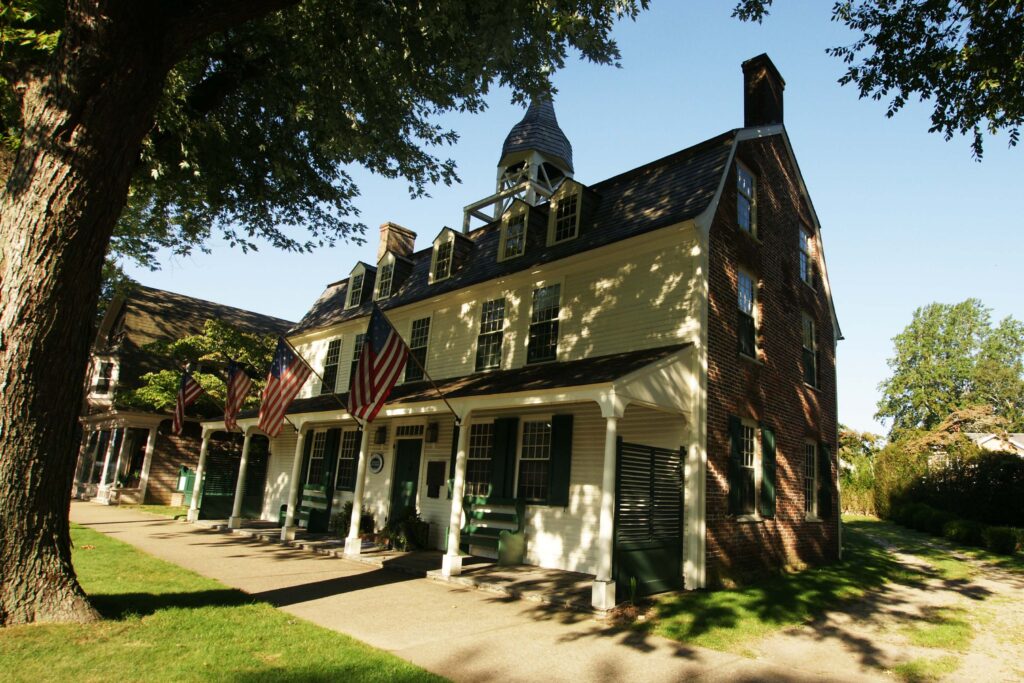
In the Clinton Academy program, students will engage with the historic one-room schoolhouses on the property and the curation of art and objects on display on the ground floor of the main building, accredited as the first school academy in New York State. This location also allows for discussion of the historical use of natural resources both for necessity and for creativity.
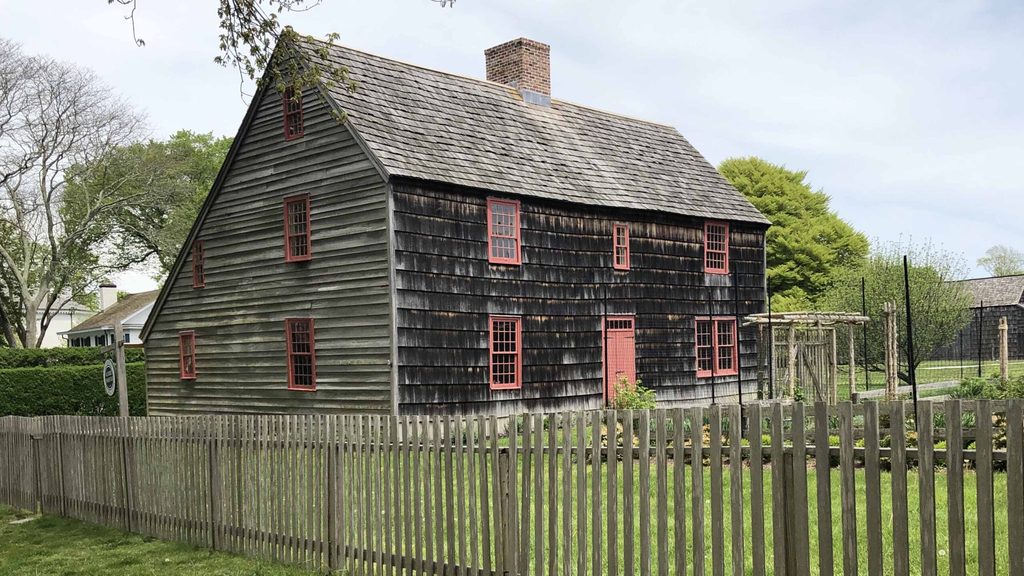
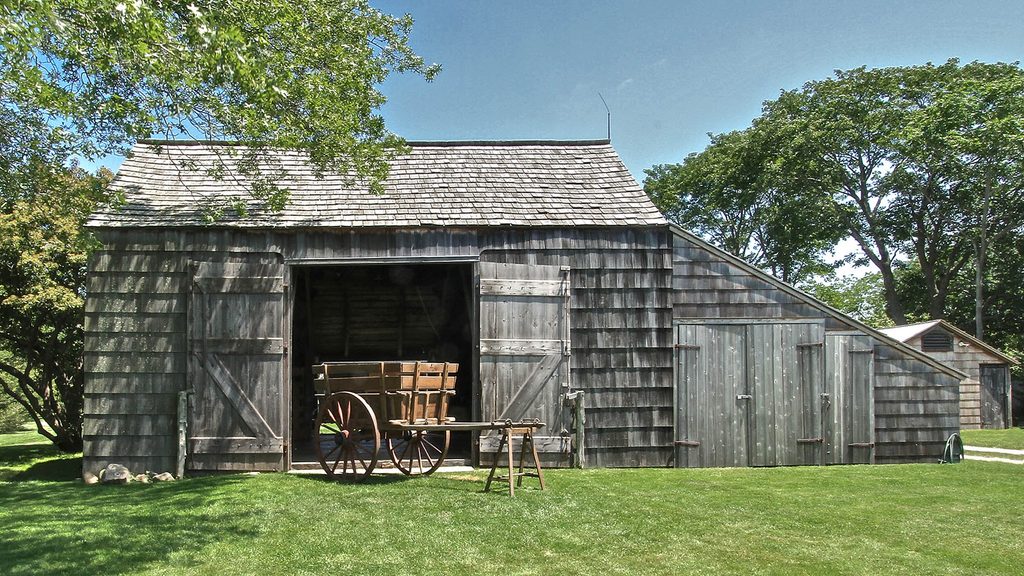
Mulford Farms is an incredible local example of an English Colonial farmstead that immerses students in the farming practices and trades of the 18th century. Inspired by the loom on display at Mulford Farm, students will learn to weave using their own looms. Students learning about the American revolution in the classroom can expand their knowledge through a discussion of Colonel David Mulford and how revolutionary history reached the East Hampton Community. Mulford was one of East Hampton’s leading patriots in 1776, while also being the community’s largest slaveholder, illustrating what historian Edmund Morgan described as the “American paradox.”
The historical society also facilitates field trips to the East Hampton Duck Pond, the Dominy Shops Museum, and the East Hampton Town Marine Museum when it is not closed for renovations.
We are currently scheduling our school programs for the 2026-2027 calendar year. Please contact us for more information and to schedule upcoming events.